


Running a small business is no easy feat, and managing the legal landscape can be a daunting task. To help you navigate the legal landscape and safeguard your business, we’ve compiled essential business law tips for small business owners.
From choosing the right business structure to maintaining comprehensive contracts and protecting your intellectual property, this blog post covers key legal considerations every small business owner should be aware of.
Choosing the Appropriate Business Structure
Choosing the right business structure is a crucial decision for any small business owner, impacting investment potential, personal liability, and tax obligations. Consider the following options:
- Sole Proprietorship: The simplest structure, where the business and owner are the same legal entity. It’s easy to set up but offers no personal liability protection, exposing the owner to all business debts.
- Partnership: Involves two or more individuals sharing ownership, profits, and liabilities. Partnerships can be general (equal management and liability) or limited (some partners with limited liability and no management role).
- Limited Liability Company (LLC): Provides personal liability protection and flexible management structures. Members are typically not personally responsible for company debts.
- Corporation: A separate legal entity from its owners (shareholders), offering the highest level of personal liability protection. It’s more complex and costly to set up and maintain, with stringent compliance requirements.
For small business owners in Lubbock, Texas, handling the legal complexities of business formation can be challenging. The city’s thriving entrepreneurial ecosystem, with a diverse range of industries from agriculture to technology, necessitates a thorough understanding of the legal implications of each business structure. Consulting with a Lubbock business attorney can provide invaluable guidance in selecting the most suitable structure, ensuring compliance with local regulations, and protecting your personal and business interests.
It’s essential to carefully evaluate the pros and cons of each structure and seek professional advice to determine the best option for your specific business needs.
Maintaining Comprehensive Contracts
Clear and comprehensive contracts are vital for any small business, as they outline the rights and responsibilities of all parties involved and provide a framework for legal recourse in case of disputes. Ensure all business relationships are documented with written contracts, including agreements with clients, suppliers, employees, and independent contractors.
Well-drafted contracts should cover key aspects such as:
- Scope of work or services
- Payment terms and conditions
- Intellectual property rights
- Non-disclosure and confidentiality clauses
- Termination and dispute resolution procedures
Solid contracts prevent misunderstandings, protect your business interests, and establish a clear legal foundation for your operations.
Protecting Intellectual Property (IP)
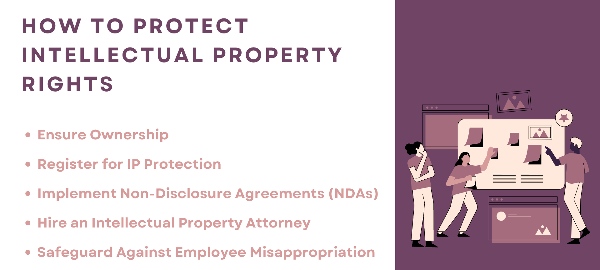
Your business’s intellectual property, such as trademarks, copyrights, and patents, can be among its most valuable assets. Failing to protect your IP can lead to others using your unique branding, inventions, or content without permission, eroding your competitive edge and potentially causing significant financial losses.
To safeguard your IP, consider the following steps:
- Register your trademarks and service marks with the United States Patent and Trademark Office (USPTO) to establish legal ownership and prevent others from using confusingly similar marks.
- Obtain copyrights for your original works, such as software, websites, marketing materials, and creative content.
- File for patents to protect your inventions, processes, or unique product designs.
Additionally, implement measures to protect your trade secrets, such as non-disclosure agreements (NDAs) with employees and business partners, and limit access to sensitive information on a need-to-know basis.
Separating Personal and Business Finances

As a small business owner, it’s crucial to separate your personal and business finances to maintain financial transparency, simplify tax preparation, and protect your personal assets from business liabilities. Mixing personal and business funds can lead to legal and financial complications, making it more difficult to track expenses, file taxes accurately, and claim legitimate deductions.
To achieve proper separation, take the following steps:
- Open a dedicated business bank account and credit line for all business transactions.
- Use accounting software or hire a professional bookkeeper to maintain accurate financial records.
- Obtain a business credit card and use it exclusively for business expenses.
- Establish a process for documenting and reimbursing personal expenses used for business purposes.
By keeping your personal and business finances separate, you not only enhance financial organization but also demonstrate professionalism and credibility to lenders, investors, and potential buyers should you decide to sell your business in the future.
Ensuring Compliance with Employment Laws
As a small business owner, adhering to employment laws is crucial to avoid fines, legal disputes, and reputational damage. Start by properly classifying workers as employees or independent contractors based on IRS and Department of Labor criteria.
Maintain accurate records of hours worked, wages paid, and payroll deductions. Develop workplace policies that align with federal, state, and local laws, including anti-discrimination and anti-harassment policies. Ensure a safe and healthy work environment through regular safety inspections, necessary training, and proper safety protocols.
Stay informed about changes in employment laws by consulting legal professionals or attending seminars and workshops. Prioritizing compliance not only protects your business but also fosters a positive and fair workplace for your employees.
Implementing Robust Data Security Measures
Protecting sensitive customer and business data is crucial in today’s digital age. Small businesses must implement robust data security measures to safeguard information and maintain trust. Encrypt data in transit and at rest using industry-standard protocols. Enforce strong password policies and two-factor authentication.
Regularly update and patch software to address vulnerabilities. Conduct security audits and vulnerability assessments. Train employees on cybersecurity best practices, such as recognizing phishing attempts and securely handling data.
Develop a comprehensive data breach response plan. Ensure compliance with data protection regulations like GDPR and CCPA, which mandate strict handling and protection of personal data.
Maintaining Adequate Commercial Insurance
Small business owners face various risks, from property damage to legal disputes. Adequate commercial insurance protects against financial losses from unforeseen events. Key types of insurance include:
- General liability insurance: covers third-party bodily injury, property damage, and advertising injury claims.
- Professional liability insurance: Protects against negligence, errors, or omissions in professional services.
- Commercial property insurance: Covers business property, equipment, and inventory against fire, theft, and natural disasters.
- Workers’ compensation insurance: covers medical expenses and lost wages for work-related injuries or illnesses.
- Business interruption insurance: Covers lost in
Regularly Reviewing Legal Compliance
As your business grows, regularly reviewing legal compliance is crucial to adhering to all laws and regulations, including zoning, licensing, advertising, and industry-specific rules. Non-compliance can lead to fines, penalties, and business license suspension. To mitigate risks:
- Stay informed about legal changes through industry publications, seminars, or legal consultations.
- Conduct periodic audits or self-assessments to identify and correct areas of non-compliance.
- Establish a compliance calendar to track renewal dates for licenses, permits, and regulatory requirements.
- Consult legal experts or industry associations for guidance on complex regulations.
Prioritizing regular compliance reviews ensures your business operates within legal boundaries.
Planning for Disputes
Despite your best efforts, disputes can arise in any business, whether with clients, suppliers, employees, or competitors. Having a plan in place for handling disputes can help you resolve conflicts efficiently and cost-effectively, preserving valuable business relationships and resources.
Consider including dispute resolution clauses in your contracts, such as:
- Mediation: A structured negotiation process facilitated by a neutral third party (mediator) to help the parties reach an agreeable solution.
- Arbitration: A private and binding legal process where a neutral third party (arbitrator) hears arguments from both sides and makes a final decision to resolve the dispute outside of court.
- Escalation Clauses: These clauses outline a step-by-step process for escalating disputes, starting with negotiations between the parties involved and progressing to mediation or arbitration if an agreement cannot be reached.
By incorporating these clauses into your contracts, you establish a clear framework for resolving disputes without resorting to costly and time-consuming litigation, which can strain business relationships and resources.
Additionally, consider implementing internal policies and procedures for handling disputes, such as designating a dispute resolution team or appointing a mediator within your organization. Proper training and clear communication channels can help prevent minor disagreements from escalating into larger conflicts.
FAQs
When should I consult a business attorney?
It’s advisable to consult a business attorney when forming your business, drafting contracts, protecting intellectual property, addressing employment laws, or dealing with legal disputes. An attorney can provide guidance tailored to your specific business needs.
How often should I review my business’s legal compliance?
Aim to review your legal compliance at least annually, or whenever there are significant changes to laws, regulations, or your business operations. Regular reviews help identify and address potential non-compliance issues proactively.
What are the benefits of mediation or arbitration for dispute resolution?
Mediation and arbitration offer several advantages over litigation, including lower costs, faster resolution, greater privacy, and the ability to maintain control over the outcome. They can also help preserve valuable business relationships.
In Conclusion
Managing the legal landscape as a small business owner can be daunting, but understanding and adhering to the essential business law tips outlined in this article can help mitigate risks and ensure long-term success.
From choosing the right business structure and maintaining comprehensive contracts to protecting intellectual property and ensuring compliance with employment laws, prioritizing these legal considerations is crucial.
Remember, seeking professional legal advice when needed can provide valuable guidance and peace of mind. By staying proactive and informed, you can focus on growing your small business while minimizing legal pitfalls and safeguarding your interests.