


Cost comparison between electric vehicles and traditional cars is a concept that sounds simple until you start analyzing it and considering all that it entails. First of all, what does cost comparison even mean? Are we talking about just the purchase price or the total cost of ownership?
On the one hand electric cars are more expensive but electricity is less expensive than gas. What about the maintenance and repairs? Are there additional factors that come into the mix? With that in mind, here’s a bit more elaborate cost comparison that might interest you.
Purchase Price
The first thing you have to keep in mind here is that the cost of electric vehicles is slightly higher when it comes to the purchase of electric vehicles. These vehicles usually aren’t as present on the market, and your ability to find used cars is not as high.
At the same time, there are so many government incentives that are encouraging people to buy these cars in order to reduce reliance on fossil fuels and reduce their carbon footprint. These grants can be so significant that they may justify the acquisition of an electric vehicle.
The adoption of EVs is one of the keys to a greener future, and if you’re keen on becoming a part of the solution, this is something you have to consider seriously.
Other than this, it might be a good idea to wait a few years. The technology is getting better, and as the market cap of the industry increases, it’s clear that the cost of electric vehicles will go down. Also, the number of used electric vehicles on the market will increase, which will positively impact their average cost.
Does this mean that buying an electric vehicle in 2024 is not worth it? Of course not. If you can find a good deal, you should definitely take it.
Cost of Maintenance
While you would assume that the cost of maintenance would be in favor of traditional cars, the truth is that electric vehicles have fewer moving parts. This means that wear and tear are lower, and there are fewer things that can malfunction or break down.
On top of this, there are no oil changes, there are fewer brake replacements (thanks to regenerative breaking), etc. In other words, electric cars are breaking down less often.
In other words, over the course of time, you’ll pay more for the maintenance of your conventional car than you would for an EV.
The downside is that there are fewer mechanics who can repair electric cars, which is why their services are slightly more expensive. The scarcity of these mechanics is problematic in its own right.
The biggest expense here is the potential replacement of a battery. Still, this doesn’t happen as often, especially if you use good battery intelligence software to manage and monitor it.
Since there are fewer electric vehicles out there, your prospects of finding used parts will also be lower. While this is never an ideal solution, it can be an effective one, and it’s a method that the majority of car owners use to stay within the budget.
Cost of Fuel
This is the issue you’ve probably been waiting for since the beginning. You see, while the costs of electricity are not always low, the cost per mile for EVs is usually lower. This is especially the case if you’re charging at home, not to mention that you could also have solar power that would further offset the cost.
According to some estimates, on average, charging an EV can cost you around $0.03 to $0.05 per mile. At the same time, the average cost-per-mile for gasoline can be between $0.10 to $0.15 per mile. It all comes down to your fuel efficiency and fuel prices. Still, the difference in cost and variations here are much greater.
If you think that this is not a common scenario, you have to keep in mind that it’s exactly the people who own electric cars that you would expect to have an inclination to resort to solar power. Both of these methods allow for a higher level of cost control and lower carbon footprint in a similar matter so that you can attribute the same motivation.
Keep in mind that fast charging in public can be more expensive.
Additional Factors
Time is money, and the fact that it takes a while to charge an electric car has to be taken into consideration. You see, on a home outlet, it will take you 8-12 hours for a full charge. On the other hand, refueling (even a full tank) at a gas station will take you no more than five minutes.
Even on a fast-charing outlet, it will take 20-60 minutes for an 80% charge. It’s a lot shorter than these eight hours, but it’s much longer than five minutes. This is the time that you have to schedule or steal from your daily routine on a regular basis, which is a compromise that a lot of people are just unwilling (or unable) to take.
Then, you have to ask yourself, how much is this eco-friendliness really worth to you?
Doing the right thing always takes extra effort. Separating your trash according to the material to recycle is more difficult than just throwing it all in a single bag. The same thing happens with EVs. You’ll pay a higher cost for the vehicle, charge it for longer, and have to struggle to find mechanics capable of fixing these cars. Are you willing to undergo all of this in order to do the right thing?
Wrap up
Ultimately, the long-term cost of EVs may be lower, but you also have to keep in mind that the costs of EVs are going down in the future, and this is almost guaranteed. As our world moves further and further away from fossil fuels, the difference will be even greater, but even today, it’s worth getting an electric car.
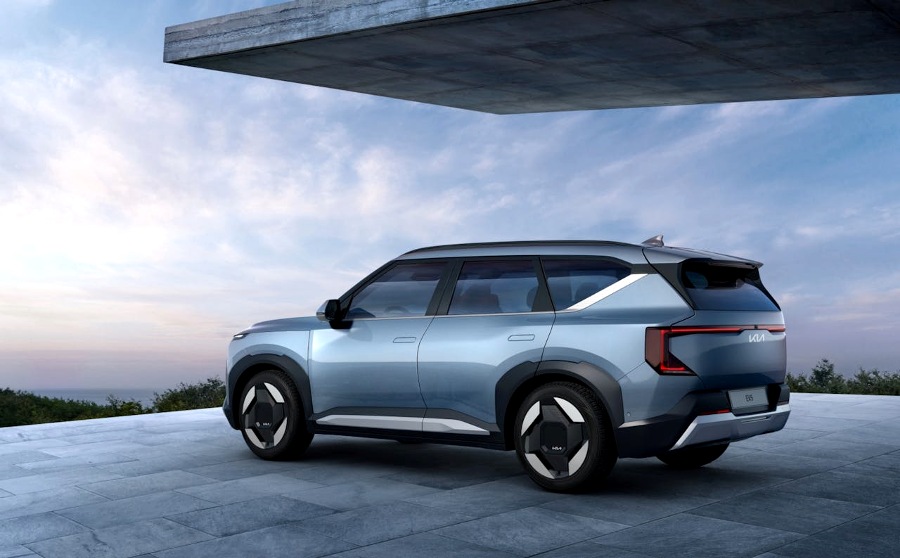
Photo by Hyundai Motor Group.