


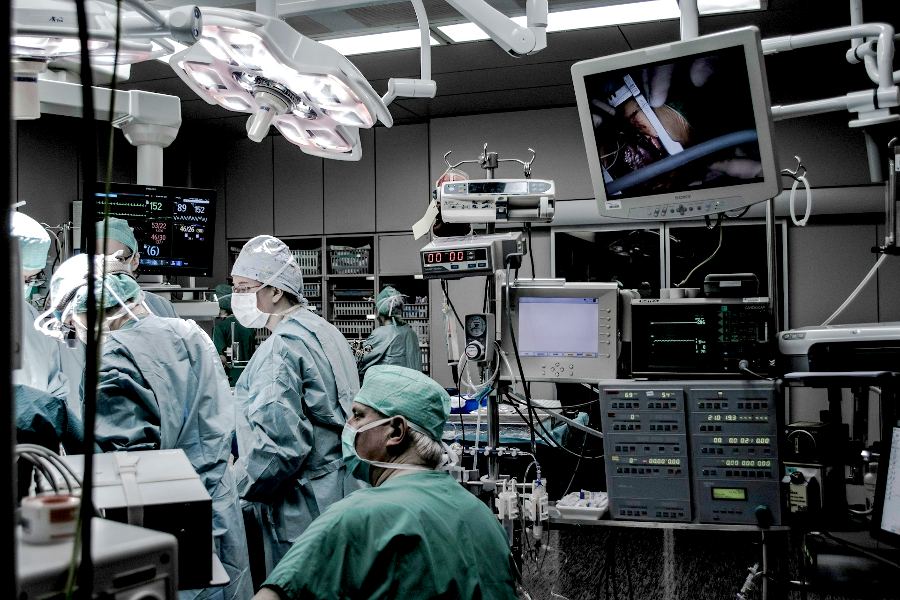
Hospitals are filled with different types of equipment and items that must be provided so that they can bring optimal care to patients. These items need to be of top quality and usually, some of them are very expensive. Here, we will give you some insight into the items that are needed in a hospital so that you can realize what it takes to keep a successful hospital running.
Medical Equipment
Medical equipment is, without a doubt, necessary to provide the right treatment and care to patients. First of all, there is personal protective equipment (PPE) that serves as a shield for workers and patients and protects them from invisible pathogens, bacteria, and viruses. This equipment usually includes gloves, masks, and gowns. Dressings and bandages are necessary for wound care, and they help any kind of injury recover faster and better. Moreover, whether the treatment will be effective or not requires the proper administration of necessary medications, and that is where syringes and needles come into play. Medical professionals must use sterile gauze and swabs to keep every surface clean and avoid spreading the infection, especially when performing some medical operation. Finally, disinfectants and antiseptics make sure the hospital facility is clean and free from any dangerous and infectious substances that can put everyone’s health at grave risk.

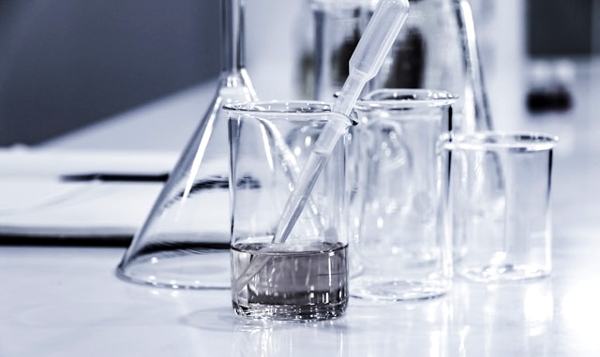
Photo by Hans Reniers
Furniture
The right medical furniture is important for both patient’s and employees’ comfort and safety. Beds, for example, frequently have features like reclining backrests, side rails, and height adjustments to make sure patients feel comfortable, as they will spend the most time lying and resting. To enhance patients’ privacy and comfort, there is also a reliable hospital curtain, which provides aesthetic appeal as well as peace of mind in terms of safety. Stretchers are another important piece of medical furniture that is used for the safe and rapid transfer of patients across the hospital. Examination tables are essential for a wide range of diagnostic and treatment operations, and they come with many amazing features like stirrups and height adjustments.
Overbed tables and bedside cabinets make it easier for patients to have access to storage for personal belongings and other essentials during their hospital stay. Specialized chairs provide ergonomic support during long medical treatments, such as dialysis or chemotherapy, so that patients can feel comfortable.
Laboratory Equipment
Laboratory equipment is the cornerstone of accurate diagnosis and good patient care. Blood analyzers, for example, are a must for diagnosing many diseases and finding the right treatment to stop the condition from getting worse. Urinalysis devices have the same benefits, and they are excellent at identifying disorders of the kidneys and urinary tract. Centrifuges are a must-have in laboratories, as they are used to separate blood components and other fluids and prepare samples for further testing. Microscopists also use light and electron types to examine cells, germs, and tissues. Then there are incubators, which are used to foster the development of biological materials, like bacterial cultures. Finally, PCR techniques are perfect for genetic testing and identifying infectious diseases. All these laboratory tools are necessary for every hospital, as without them, medical experts would not be able to detect illnesses and find the right treatment plan to improve health outcomes.
Technology
Hospitals rely on technology to improve their patient care and healthcare operations. So, they need reliable devices to perform their best, and some of the most important ones include EHR systems, where they can quickly access patient data relevant for the treatment plan. Telemedicine is a sophisticated device that helps patients get necessary medical advice without coming into the hospital, and in that way, they save precious time and money. This is especially important for patients who live in rural regions or who have mobility issues. There are also monitoring systems that help healthcare experts monitor vital signs and other important health data of their patients. If anything changes rapidly, doctors and nurses can quickly react and provide the necessary treatment to save the patient’s life.
Nowadays, we also have robotic surgical systems, which help with more precise and minimally invasive surgeries, like laparoscopy. Thanks to these technologies, patients can recover quickly and get much better health outcomes. Moreover, the arduous and complicated administrative tasks are now done through hospital information systems that effectively handle scheduling, billing, and other important aspects of hospital operations. This all helps to reduce human-made mistakes and costs and save more time for other, more important activities.
Safety features
Every medical facility has to have many safety features that literally save lives. Some of the basic features that are in place to save people from fires include fire alarms, sprinkler systems, and many other items. Every hospital should have a section where they can do their infection control. Hand hygiene stations, sterilization equipment, and other items are included in this category. Of course, since many patients rely on equipment that runs on electricity, backup generators are needed so that they maintain a constant stream of power.
Emergency Response Gear
Emergency response gear is a must for every hospital, as it literally makes a difference between life and death in critical moments. All hospitals must have defibrillators to help patients with cardiac arrest get back to their normal heart rhythm. These devices are quite simple to use, so they are critical in such stressful situations, and they can be used rapidly and simply. Emergency carts also have essential tools, like intubation equipment, drugs, and other necessities, and they are always ready for use thanks to frequent checks and proper organization. There are also emergency vehicles, like ambulances, that carry the necessary equipment to treat patients on the spot. Medical experts can stabilize patients’ condition and vital signs while they are transporting them into the hospital.
Finally, we can surely say that hospitals are quite intricate facilities that cannot function without the tools and equipment we have mentioned here. Every single piece is critical to providing the necessary and first-rate medical care to patients who may be in a life-threatening situation. So, if we better understand these items and how important they are for every one of us, we can appreciate them more and make more effort to preserve them.
Feature photo by Piron Guillaume