
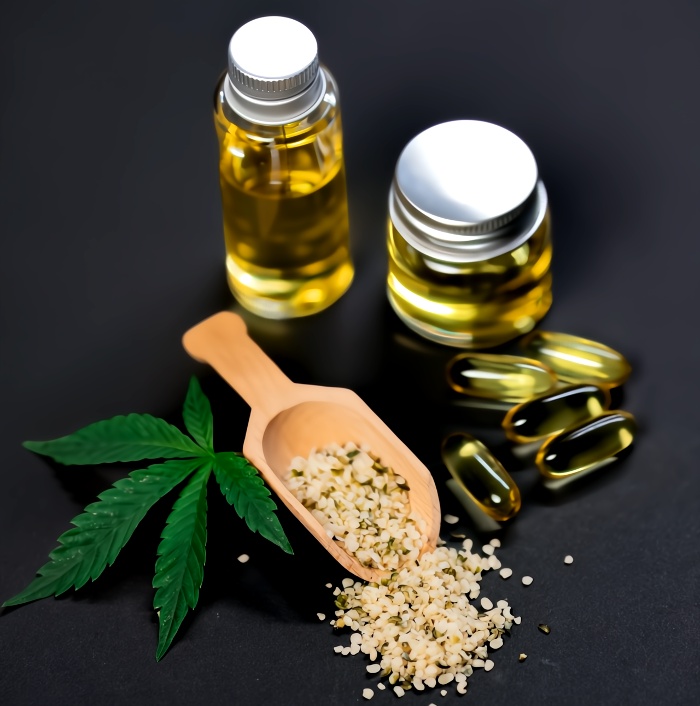

Canada’s health and wellness has embraced pure CBD oil as a cornerstone for natural therapeutic remedies.
This trend has gained momentum following the country’s progressive cannabis legalization in 2018, which not only normalized but also regulated the use of cannabis and its derivatives. Pure CBD oil, known for its lack of psychoactive effects, appeals to a broad demographic seeking relief from chronic pain, anxiety, and inflammation without the high associated with THC.
Canadian consumers can now access high-grade, rigorously tested CBD products, ensuring safety and efficacy.
A robust regulatory compliance framework supports the market’s expansion, making pure CBD oil Canada a trusted choice for wellness enthusiasts nationwide. This shift reflects a growing awareness of CBD oil’s health benefits and potential to improve quality of life.
Is pure CBD oil legal in Canada?
Yes, pure CBD oil is legal in Canada under the Cannabis Act, which was enacted in October 2018. This legislation allows for the legal sale, possession, and use of cannabis and its derivatives, including CBD oil. However, some specific regulations and guidelines must be followed:
Licensed Producers: CBD oil must be obtained from licensed producers authorized by Health Canada. These producers are required to adhere to strict quality and safety standards.
Retail Sales: CBD oil can be purchased from licensed retail outlets in physical stores and online. The provincial or territorial government must also authorize these retailers.
No Health Claims: Over-the-counter CBD products cannot make specific health claims unless approved as prescription drugs under the Food and Drugs Act.
Possession Limits: When in public, individuals are allowed to carry up to 30 grams of dried cannabis or its equivalent in other forms, which includes up to 100 mL of liquid products like CBD oil.
Age Restrictions: The legal age for purchasing and consuming cannabis products, including CBD oil, varies by province and territory but generally ranges from 18 to 21 years old.
Travel Restrictions: While CBD oil is legal within Canada, it cannot be brought into or taken out of the country, even if you are traveling to or from a place where cannabis is legal.
Do you need a doctor’s prescription for CBD oil in Canada?
You do not necessarily need a doctor’s prescription to purchase full spectrum CBD oil in Canada. CBD oil is available over-the-counter from licensed retailers if it complies with the regulations set forth under the Cannabis Act. However, there are some essential points to consider:
Over-the-Counter CBD Products: Most CBD oil products available from licensed cannabis retailers do not require a prescription. These products are regulated to ensure safety and quality, but they cannot make specific health claims without prescription drug approval.
Medical Cannabis: If you require CBD oil for specific medical conditions and need products that can make therapeutic claims, you might need a prescription from a healthcare provider. Medical cannabis, including CBD oil, can be prescribed for conditions such as chronic pain, anxiety, epilepsy, and more.
Health Canada Approval: CBD oil products must be approved as prescription drugs under the Food and Drugs Act to make health claims. These products are typically used under the supervision of a healthcare provider.
Consultation with Healthcare Provider: Even for over-the-counter CBD oil, it is advisable to consult with a healthcare provider, especially if you have underlying health conditions, are taking other medications, or are unsure about the appropriate dosage.
How do you know if CBD oil is pure?
To determine if CBD oil is pure and of high quality, consider the following factors:
Third-Party Lab Testing: Reputable CBD oil brands will provide third-party lab test results, also known as Certificates of Analysis (COAs). These reports should be accessible on the company’s website or available upon request. The COA should confirm the presence of CBD and verify that the product is free from contaminants such as heavy metals, pesticides, and solvents.
Ingredients List: Check the ingredients list on the product label. Pure CBD oil should have minimal ingredients, typically just CBD extract and carrier oil like MCT, hemp seed, or olive oil. Avoid products with unnecessary additives or fillers.
Source of Hemp: High-quality CBD oil is usually made from organically grown hemp. Look for information about where and how hemp is cultivated. Organic farming practices reduce the risk of contaminants and ensure a cleaner product.
Extraction Method: The method used to extract CBD from the hemp plant affects the purity and quality of the oil. CO2 extraction is the gold standard because it produces high-quality oil without harmful solvents.
Brand Reputation: Research the brand’s reputation by reading customer reviews and looking for certifications or memberships in industry organizations. Established and reputable brands are more likely to produce high-quality, pure CBD oil.
Transparency: Brands that are transparent about their production processes, sourcing, and testing are more likely to produce pure CBD oil. Look for brands openly sharing information about their practices and quality control measures.
THC Content: Pure CBD oil should have negligible THC content (less than 0.3% in Canada). Check the lab report to confirm the THC level. This ensures you are getting a non-psychoactive product.
What is a safe amount of CBD oil per day?
The safe amount of CBD oil to consume daily can vary significantly depending on several factors, including an individual’s body weight, the concentration of CBD in the product, the specific condition being treated, and individual tolerance to CBD. However, here are some general guidelines:
Start Low and Go Slow: It is recommended to start with a low dose, such as 10-20 mg per day, and gradually increase the dosage over time based on how your body responds.
Body Weight: A joint guideline is to take 1-6 mg of CBD per 10 pounds. For example, if you weigh 150 pounds, a daily dose might range from 15 to 90 mg.
Condition Being Treated: The appropriate dosage can depend on the condition you are treating:
- General wellness: 10-20 mg per day.
- Mild symptoms (e.g., anxiety, mild pain): 20-40 mg per day.
- Severe symptoms (e.g., chronic pain, severe anxiety, epilepsy): 40-100+ mg per day.
Follow Product Recommendations: Always follow the dosage instructions provided by the manufacturer on the product label. Different products have varying concentrations of CBD, so adjust the dosage accordingly.
Monitor Your Response: Pay attention to how your body responds to the CBD oil. If you experience any adverse effects, reduce the dosage or discontinue use and consult with a healthcare provider.
Conclusion: Is CBD oil approved by Health Canada?
Pure CBD oil is legal in Canada under the Cannabis Act, provided it is obtained from licensed producers and complies with safety and quality standards. While you don’t need a prescription for over-the-counter CBD products, those intended for specific medical conditions might require one.
To ensure you’re using pure CBD oil, look for third-party lab testing, minimal ingredients, reputable brands, and transparent information on sourcing and production. Starting with a low dose and consulting a healthcare provider can help you determine a safe and effective amount for daily use. With proper guidance, CBD oil can be a beneficial addition to your wellness routine.
Photo by Kindel Media.