


In a world increasingly dominated by digital payments and electronic transactions, personal checks might seem like a relic of the past. However, they still play a significant role in personal finance for many people. This complete article explores what personal checks are, their uses, benefits, potential drawbacks, and whether you need them in today’s financial landscape.
What Are Personal Checks?
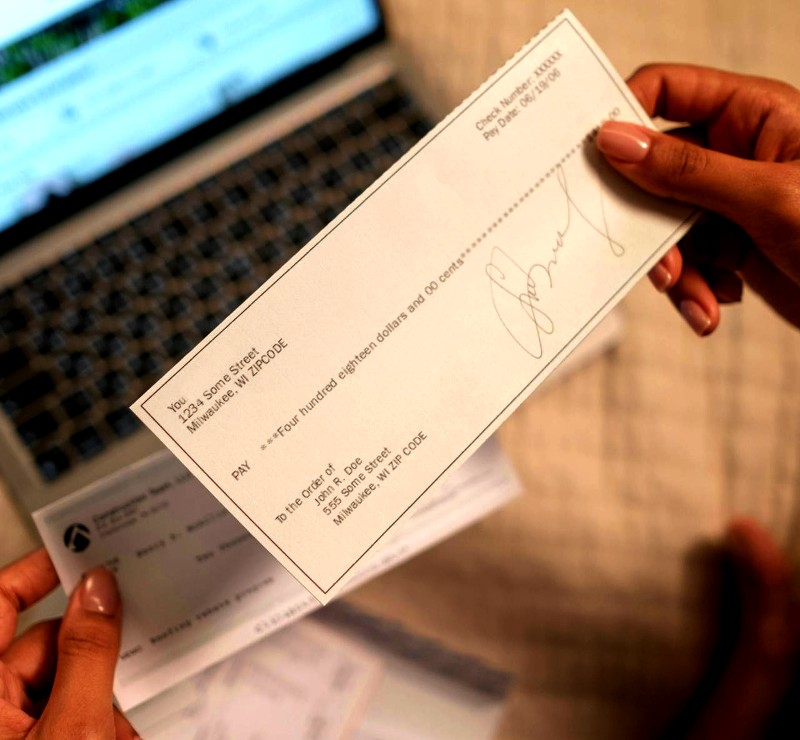
Personal checks are paper documents that allow an individual to make payments directly from their checking account. When you write a check, you instruct your bank to transfer a specified amount of money from your account to the account of the person or entity named on the check. You can order personal checks online. Personal checks typically include:
- Account Holder’s Name and Address: Printed on the top left corner.
- Bank’s Name and Address: Usually printed on the bottom left.
- Routing Number: A nine-digit number that identifies the bank.
- Account Number: A unique number that identifies the account holder’s checking account.
- Check Number: A sequential number that helps you keep track of checks.
- Date: The date the check is written.
- Payee Line: The name of the person or entity to whom the check is payable.
- Amount Box: This is where you write the numerical amount of the payment.
- Amount Line: Where you write the amount in words.
- Signature Line: Where the account holder signs to authorize the payment.
- Memo Line: An optional space for noting the purpose of the check.
Uses of Personal Checks
- Paying Bills: Personal checks are often used to pay bills, particularly for services or utilities that do not accept electronic payments. Mailing a check is a reliable way to ensure payment when other methods are not available.
- Rent Payments: Many landlords prefer or require rent payments by check. Checks provide a clear record of payment and can be postdated to ensure timely rent submission.
- Gifts and Donations: Checks are a convenient way to give money as a gift or make donations to charitable organizations. They offer a personal touch and a tangible record of the contribution.
- Large Purchases: For significant purchases, such as home improvements or private sales (e.g., buying a car from an individual), checks are often preferred over cash for security reasons.
- Proof of Payment: Checks serve as a record of payment, which can be useful in disputes or for tax purposes. The canceled check (or digital image) provides proof that the payment was made.
- Payments to Small Businesses: Many small businesses, freelancers, and contractors prefer payment by check. Checks are easier to process than credit card payments, which incur transaction fees.
Benefits of Personal Checks
- Security: Personal checks offer a higher level of security than cash. If a check is lost or stolen, it can be canceled, and the funds remain safe in your account.
- Documentation: Checks provide a written record of transactions, which is valuable for tracking expenses, budgeting, and preparing taxes. The check register helps maintain an accurate account of spending.
- Control: Writing a check requires manual authorization, giving you more control over when and how payments are made. This can be particularly useful for managing cash flow.
- Universality: Checks are widely accepted and can be used in situations where electronic payments are not possible or practical. They are a universally recognized method of payment.
- Personal Touch: Sending a check adds a personal element to transactions, such as gifts or charitable donations. The physical act of writing and mailing a check can convey thoughtfulness and sincerity.
Potential Drawbacks of Personal Checks
- Processing Time: Checks take time to process, which can delay the clearing of funds. This delay can be inconvenient for both the payer and the payee, especially if funds are needed immediately.
- Risk of Bouncing: If you write a check for more than your available balance, it will bounce, leading to overdraft fees and potential penalties from the payee. Bounced checks can also harm your credit rating.
- Vulnerability to Fraud: Checks contain sensitive information, such as your account and routing numbers. If a check falls into the wrong hands, it can be used for fraudulent activities, including identity theft.
- Inconvenience: Writing and mailing checks can be time-consuming compared to the ease of electronic payments. Keeping track of checkbooks and registers also requires effort and organization.
- Limited Use: Many businesses and individuals prefer electronic payments, which can limit the situations where checks are accepted. Younger generations, in particular, may be less familiar with using checks.
Do You Need Personal Checks?
The necessity of personal checks depends on your individual circumstances and financial habits. Here are some considerations to help you decide:
- Payment Preferences: If you frequently make payments to entities that do not accept electronic payments, such as small businesses, landlords, or certain utilities, personal checks are essential.
- Financial Management: Checks provide a tangible way to manage your finances, offering clear documentation and control over your spending. If you prefer to have a physical record of transactions, checks are beneficial.
- Security Concerns: If you are concerned about the security of electronic payments or have had issues with fraud in the past, checks offer a safer alternative for certain transactions.
- Personal Transactions: For personal transactions, such as gifts or donations, checks add a personal touch that electronic payments lack. They are also useful for large purchases where carrying cash is impractical.
- Convenience and Speed: If speed and convenience are your top priorities, electronic payments are more efficient. However, keeping a checkbook on hand for situations where checks are necessary ensures you are prepared for any payment scenario.
In Conclusion
Personal checks remain a valuable financial tool for many individuals, offering security, control, and a personal touch in various transactions. While electronic payments are increasingly popular, checks continue to be essential for paying bills, rent, and making large purchases, among other uses. By understanding the benefits and drawbacks of personal checks, you can make informed decisions about their role in your financial management. Whether you choose to use checks regularly or keep them as a backup option, they provide a reliable and versatile method of payment in the modern financial landscape.
Photo by Cottonbro.