
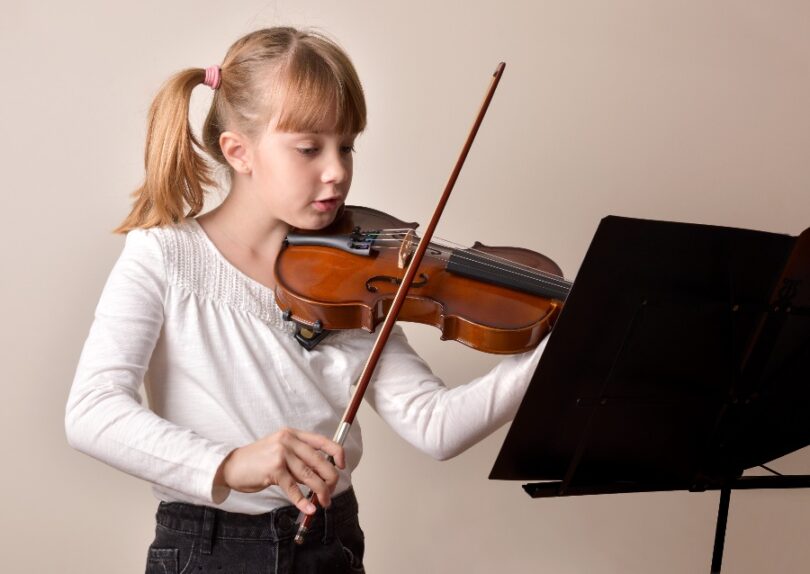

So, you’ve got your violin, but something feels missing. That’s right; you need the perfect partner in crime for your musical journey: the violin bow! It’s more than just a stick with horsehair – it’s the tool that brings your instrument to life. But with so many options out there, choosing a bow can feel overwhelming.
No worries, beginner violinist! This guide will walk you through everything you need to find the perfect bow to make your heart (and your strings) sing. We’ll cover the basics, from bow materials and weight to how to test it out. By the end, you’ll be a bow-choosing pro, ready to find that perfect match for your musical soulmate (aka your violin).
Understanding the Importance of a Violin Bow
Think of it like this: you wouldn’t try to learn to drive in a clunky old jalopy, right? The same goes for the violin! A good bow is like the perfect set of wheels for your musical journey.
For starters, it’ll make those first awkward bowing attempts way less frustrating. A smooth, responsive bow helps you learn proper technique and builds good habits. But it’s not just about the mechanics – a good bow also gives your violin a voice! It can make your instrument sing with a clear, rich tone, making practice sessions much more fun.
Let’s be honest: When something feels comfortable and easy, you’re more likely to stick with it. A bow with the right weight and fits your hand right makes playing less tiring and more enjoyable, especially when just starting out.
Ultimately, the right bow will help you fall in love with playing the violin. It’ll give you confidence, make practice a joy, and inspire you to keep learning and growing as a musician. So, take the time to find that perfect match – it’s worth it!
Material Matters
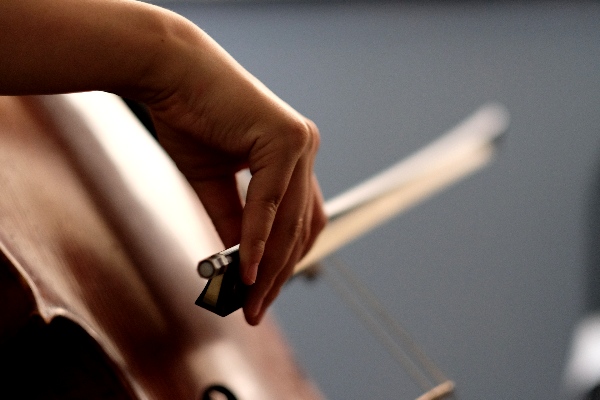
To address the elephant in the room, here it goes: Your violin bow isn’t just a stick with horsehair! Kidding aside, it’s essential to be knowledgeable about the materials used in bows before you purchase one, as the type of material used can change how your bow feels and sounds and even how much it costs. See some examples below:
- Pernambuco: This wood is like the holy grail of bow materials. It’s solid and flexible and creates a warm, rich sound. But it’s also pretty rare and expensive, so only pros or serious players usually choose it. Take a look at this site for some examples.
- Brazilwood: This is a more budget-friendly option that’s common for beginner and student bows. It’s not as fancy as Pernambuco, but it can still create a decent sound and is a good choice for beginners.
- Carbon fiber: This is the new kid on the block, and it’s pretty awesome. Carbon fiber bows are super solid and durable, able to handle a lot of wear and tear. They also tend to be more affordable than Pernambuco and offer consistent performance, which is excellent for beginners.
- Fiberglass: This is the most affordable option, but it doesn’t offer the same level of responsiveness or sound quality as other materials. Fiberglass bows are best for very young beginners or as backup bows.
So, which one should you choose? It depends on your budget, playing level, and personal preference. A Brazilwood or carbon fiber bow is an excellent option if you’re starting out. As you progress, consider upgrading to Pernambuco for its superior sound and feel. Remember, it’s like finding a good pair of shoes – you want something that’s comfortable, fits your needs, and helps you perform your best!
Weight and Balance
A violin bow’s weight and balance are crucial for comfortable playability and sound production. Imagine Goldilocks trying out different chairs – not too hard or soft, but just right. Finding the right bow weight is kind of like that!
The average bow weighs around 60 grams, but there’s no magic number. What matters most is how it feels in your hand. It shouldn’t feel like you’re lugging around a brick, but it also shouldn’t feel flimsy like a twig. Think of it like a handshake: too firm can be overwhelming, too weak is forgettable.
Everyone’s different, so what feels suitable for your friend might not be right for you. It’s all about experimenting and finding a bow that feels like an extension of yourself. It should be a joy to hold and play, helping you make beautiful music without straining your hand or arm.
Meanwhile, a well-balanced bow feels comfortable in the hand and facilitates smooth bowing. It’s just like a seesaw: you want it to have a sweet spot that feels perfectly balanced in your hand. Too tip-heavy, and you’ll be fighting to keep control. Too frog-heavy (that’s the end with the hair), and it’ll feel sluggish and unresponsive.
The balance point is usually somewhere in the middle, but it can vary from bow to bow. Try this: lightly hold the bow with one finger near the middle and see where it balances. Does it tip forward or backward? Does it feel natural and effortless?
A well-balanced bow feels like an extension of your arm, allowing you to move it freely and expressively. It’ll make playing easier and more enjoyable and give you greater control over your sound.
So, when testing bows, pay attention to how they feel in your hand. Does the balance feel just right? Does it make you want to play? If so, you might have just found the perfect one!
Flexibility and Strength
The flexibility and strength of a bow affect its responsiveness and the range of dynamics you can achieve. A flexible bow allows for greater expression and nuance in your playing. It should bend slightly without feeling flimsy. Meanwhile, a strong bow provides stability and control, especially for fast passages and more aggressive playing styles.
Choosing the Right Bow Hair
So, it turns out that the hair on your violin bow isn’t just any old hair! It’s usually horsehair, which can change how your bow feels and plays. It’s like the difference between silky smooth locks and a wild mane. Most bows use horsehair, but there are a few favorites:
- Mongolian horsehair: This is like the Beyoncé of bow hair—the queen bee, the top dog. It’s strong and durable and gives you that warm, rich tone that’ll make your violin sing.
- Siberian horsehair: Think of this as Mongolian’s slightly less famous cousin. It still has the strength and endurance you need, but it might have a slightly different vibe, depending on the individual horse it came from.
- Other horsehair blends: Some bows use hair from different regions or even a mix of types. These can be great options, but it’s all about finding what feels suitable.
So, how do you pick the right hair? It’s like dating—you must try a few out to see what clicks! Pay attention to how the hair feels on the strings when testing a bow. Does it glide smoothly? Does it grab the strings without feeling sticky?
Then, you must also listen to the kind of sound it produces when you give the bow a test drive. Do you prefer a warm, mellow tone or something brighter and more focused?
You might not notice a vast difference between different hair types if you’re a violin newbie. There’s nothing to worry about, though! As you get better, you’ll develop preferences based on your playing style and what kind of music you like.
The best advice? Don’t be shy! Head to a music store, try different bows and see what feels right in your hand. And don’t hesitate to ask for help – the staff can guide you toward the perfect bow for your needs. After all, a good bow is like a trusted friend – it should be there to support you and help you make beautiful music together.
Try Before You Buy
When learning to choose a violin bow, it’s crucial to test several bows to find the one that feels right. Visit a reputable music store and play your violin with different bows. Pay attention to how each bow affects the sound and your comfort level.
Watch Out for Shopping Pitfalls
Choosing your first violin bow can be exciting, but it’s easy to fall into a few traps if you don’t know what to look for. Here are some common pitfalls beginners might encounter:
- Price is everything: Going for the cheapest option is tempting, but remember, you get what you pay for. A super cheap bow might sound scratchy, feel awkward, or even fall apart quickly. It’s worth investing a little more for a decent bow to help you learn and enjoy playing.
- Ignoring balance and weight: Many beginners focus on the bow’s look or material, remembering how it feels in their hand. A bow that’s too heavy or unbalanced can make playing difficult and lead to bad habits. Be bold and pick up and test out different bows to find one that feels comfortable and natural.
- Buying online without trying it out: Online shopping is convenient, but a bow is a very personal tool. You need to feel it in your hand, see how it responds to your touch, and hear how it sounds with your violin. Visit a music store and try out different bows before you buy.
- Overspending on features you don’t need: Fancy inlays and exotic materials might look cool, but they don’t make a bow better, especially for beginners. Focus on the essentials like good balance, quality hair, and a comfortable grip. You can always upgrade later as your skills improve.
- Not getting advice from an expert: Be bold and ask for help! Talk to your violin teacher, a luthier (someone who makes or repairs violins), or the staff at a music store. They can offer valuable advice and help you find the right bow for your budget and playing level.
Remember, choosing a bow is a personal decision. There’s no one-size-fits-all answer, so take your time, experiment, and find a bow that feels like an extension of your arm and helps you create beautiful music.
Your Burning Questions About Violin Bows Answered
Don’t let any confusion prevent you from fully understanding your first violin bow. After all, you’ll share many beautiful musical moments together, right? So here are some of the most common questions beginner violinists may have about violin bows and the answers to them.
‘How do I properly hold a violin bow? ‘
To hold a violin bow correctly, place your thumb on the underside of the frog (the part you grip), your middle and ring fingers on top of the bow stick, your index finger slightly forward on the stick, and your pinky lightly on top. Ensure your hand is relaxed to maintain flexibility and control.
‘How often should I rosin my bow?’
For a new bow, rosin it four to five times before playing. For regular use, rosin the bow once every four to six hours of playing. Too much rosin can produce a scratchy sound, while too little can make it difficult to produce sound. Adjust based on your playing frequency and environment.
‘How do I know when to repair my bow?‘
A bow should be rehaired when the hair looks worn, uneven, or has many broken strands. Typically, bows are required every six to twelve months, depending on how frequently you play. If the bow doesn’t grip the strings well even after rosining, it might be time for a rehair.
‘What type of rosin should I use?‘
Rosin comes in light and dark varieties. Light rosin is harder and less sticky, suitable for warmer climates, and smoother playing. Dark rosin is softer and stickier, ideal for colder climates and producing a firmer grip. Beginners can start with light rosin for its versatility.
‘How can I tell if a bow is well-balanced? ‘
A well-balanced bow will feel comfortable and stable in your hand, not too heavy at either the frog or the tip. It should glide smoothly across the strings and respond well to various techniques when playing. Test several bows to find one that feels balanced for you.
‘Should I buy a new or used bow?‘
Both new and used bows have their advantages. New bows come with the assurance of unused materials and modern craftsmanship. Used bows can offer high quality at a lower price, especially if they’re well-made and well-maintained. Always test and inspect used bows for any signs of damage or excessive wear.
‘Can I use the same bow for different styles of music?‘
Yes, a versatile bow can handle various styles of music. However, some advanced players may choose different bows for specific genres or techniques. As a beginner, focus on finding a comfortable bow that produces a good sound across a range of styles.
Final Thoughts
Learning how to choose a violin bow is a personal journey that requires patience and careful consideration. By understanding the key factors—material, weight, balance, flexibility, and hair quality—you can find a bow that enhances your playing experience. Remember to test multiple bows, seek professional guidance, and choose one that fits your budget. With the right bow, you’ll be well on your way to creating beautiful music.