


In the modern business environment, where customer satisfaction reigns supreme, efficient reverse logistics operations are paramount.. As e-commerce grows and return policies become more stringent, companies are under increasing pressure to streamline their returns management processes.
This is where reverse logistics software emerges as a game-changing solution that optimizes the intricate web of activities involved in handling returns from initiation to restocking. This guide will explore the essential features to prioritize when selecting reverse logistics software.
It provides insights to help you make informed decisions that align with your unique requirements, ultimately enhancing operational efficiency and customer satisfaction.
Automated Returns Management
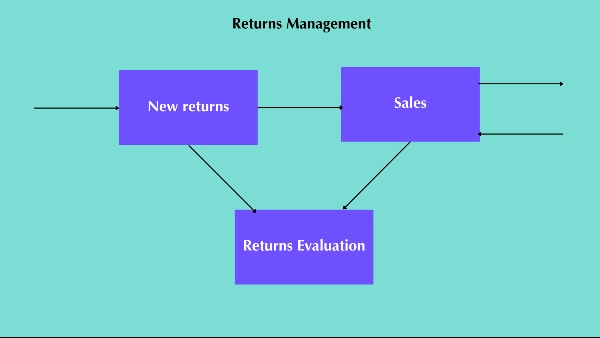
The automated returns management feature revolutionizes the entire returns process, transforming a once cumbersome and labor-intensive task into a seamless and efficient experience. The solution orchestrates the entire returns lifecycle, coordinating logistics, updating inventory levels, issuing refunds or exchanges, and providing real-time status updates to customers from the initiation of the return.
The system automatically guides customers through the process, gathering necessary information and generating return authorizations or labels. On the business side, companies can define customized rules and workflows that govern the automated processing of returns based on their specific policies and requirements.
The solution orchestrates the entire returns lifecycle, from initiating the return to coordinating logistics, updating inventory levels, issuing refunds or exchanges, and providing real-time status updates to customers.
Customer Returns Portal
Enhancing the customer experience is at the heart of the customer returns portal—a user-friendly interface that empowers customers to take control of the returns process. This centralized hub acts as a one-stop shop, providing customers with visibility and self-service capabilities throughout the entire returns journey.
The portal, a key feature of the reverse logistics software, guides customers through a seamless and intuitive process, ensuring all necessary information is gathered. Customers can conveniently upload relevant documentation and access real-time status updates.
Additionally, the portal offers a wealth of self-service resources, including frequently asked questions, return policies, and instructional videos, all facilitated by the sophisticated capabilities of the reverse logistics software. By offering a delightful and transparent experience, the customer returns portal enhances customer satisfaction and builds brand loyalty.
Inventory Management Integration
Seamless integration with inventory management systems is crucial for ensuring accurate and up-to-date stock levels, enabling businesses to make informed decisions and optimize their operations. The returns management solution seamlessly synchronizes with inventory systems, providing real-time visibility into the impact of returns on inventory levels.
As returns progress through various stages, inventory levels are adjusted accordingly. Salable items are promptly restocked, ensuring availability for future orders, while unsalable or damaged goods are appropriately processed.
This integration helps businesses maintain accurate inventory counts, prevent stockouts, and optimize replenishment strategies. Inventory planners can use real-time data on returns to more accurately forecast demand and make informed purchasing and production decisions.
Transportation Management Capabilities
Efficient transportation management is crucial for successful returns operations, as it directly impacts costs, service levels, and customer satisfaction. The solution offers robust transportation capabilities that optimize the reverse logistics process from end to end.
Intelligent routing algorithms analyze various factors to determine the most cost-effective and efficient transportation routes, minimizing transit times and reducing costs. The solution’s carrier integration capabilities enable businesses to connect with a wide range of transportation providers, facilitating rate comparisons and tracking across multiple carriers.
Real-time visibility into shipment movements enables proactive issue resolution and exceptional service levels through automated alerts and notifications.
Advanced Analytics and Reporting

The advanced analytics and reporting capabilities unlock a wealth of insights, enabling data-driven decision-making and continuous process improvement. Through comprehensive dashboards and customizable reports, businesses gain visibility into key metrics, trends, and performance indicators related to their returns operations.
Detailed analytics provide granular insights into various aspects of returns, enabling businesses to identify root causes and take targeted actions. Predictive analytics leverage historical data to forecast future return volumes, enabling proactive planning and resource allocation.
The reporting capabilities allow for the creation of tailored reports catering to the specific needs of different stakeholders within the organization.
Customization and Scalability
The returns management solution is designed with flexibility and scalability in mind. Its modular architecture and extensive configuration options allow for tailored customization, ensuring a seamless fit with existing systems and processes.
Businesses can define custom business rules and workflows that govern the entire returns lifecycle, enabling a high degree of personalization. Integration capabilities facilitate seamless connectivity with other enterprise systems, ensuring data consistency and streamlined end-to-end processes.
As businesses grow, the solution can easily scale to accommodate increasing volumes and complexity, with its modular design allowing for the addition of new functionalities or the expansion of existing capabilities.
Compliance and Security
Ensuring compliance and maintaining robust security measures are paramount for businesses. The returns management solution prioritizes these critical aspects, providing peace of mind and minimizing legal and reputational risks.
It implements stringent security measures to protect sensitive data, such as access controls, data encryption, auditing, and secure communication protocols. The solution’s compliance features enable businesses to meet various regulatory requirements, including data privacy laws, industry-specific regulations, and regional or international standards.
Built-in tools facilitate compliance activities, such as generating audit trails, maintaining data retention policies, and producing reports for regulatory bodies or auditors. Business continuity and disaster recovery measures are also incorporated, ensuring critical returns data and processes are protected against potential disruptions or incidents.
| Key Feature | Description |
| Automated Returns Management | Streamlines the entire returns process, from initiation to completion, through automated rules, workflows, and minimal manual intervention. |
| Customer Returns Portal | User-friendly interface that empowers customers to initiate, track, and manage returns through a centralized self-service hub. |
| Inventory Management Integration | Seamless synchronization with inventory systems for accurate stock levels, demand forecasting, and optimized replenishment strategies. |
| Transportation Management Capabilities | Robust tools for optimizing reverse logistics transportation, including intelligent routing, carrier integration, and real-time shipment visibility. |
| Advanced Analytics and Reporting | Comprehensive dashboards, customizable reports, and predictive analytics for data-driven decision-making and process improvement. |
| Customization and Scalability | Flexible and modular architecture that allows tailored customization and seamless scaling to accommodate evolving business needs. |
| Compliance and Security | Stringent security measures and compliance features to meet regulatory requirements, protect sensitive data, and ensure business continuity. |
Conclusion
Mastering reverse logistics is crucial for businesses aiming for sustained success in today’s customer-centric market. By adopting a robust software solution that encompasses the key features outlined in this guide, you can optimize workflows, reduce costs, and elevate customer satisfaction – the cornerstones of an effective reverse logistics strategy. Invest in the right solution and position your business for operational excellence.
Frequently Asked Questions
- What are the cost benefits of using reverse logistics software?
Reverse logistics software can help businesses reduce costs by up to 30% by efficiently processing returns, reducing waste, and improving inventory management.
- How does reverse logistics software integrate with other business systems to optimize operations?
Reverse logistics software commonly integrates with ERP systems, CRM software, and supply chain management platforms to streamline data sharing and optimize operations.
- Can reverse logistics software manage international returns?
Yes, many reverse logistics solutions offer features to support global returns management, including multi-language support, currency conversions, and compliance with international regulations.