
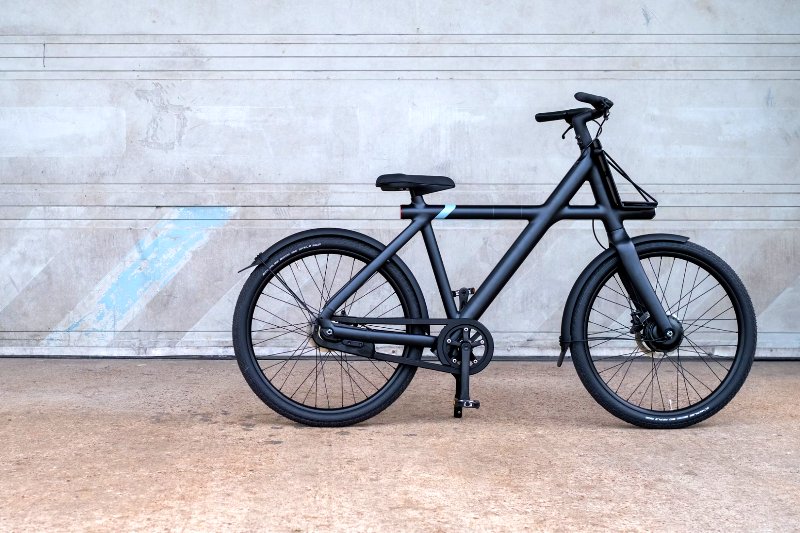

Electric bicycles, also called e-bikes, take the best parts of riding a regular bike and give them an extra boost of power. An electric motor and battery help the rider travel faster, farther, and easier than on muscle power alone. E-bikes open up biking to more people and places than ever thanks to technology helping turn the pedals. This guide covers all you need to know about buying and safely enjoying your first e-bike.
Understanding E-Bike Features
Some key parts that make e-bikes different from regular bicycles include:
Motor Power
The electric motor adds extra push to help move the e-bike. More powerful motors provide faster speed and can better climb hills fully loaded.
Battery Capacity
The battery stores electricity to run the motor. Larger batteries offer more range before needing to recharge.
Motor Placement
Motors located at hubs spin the wheel directly. Mid-drive motors turn the pedal cranks to propel the whole bike.
Display
The control panel shows battery level, power usage, speed, and more. Advanced displays offer detailed ride analysis.
Brakes
E-bikes need good brakes to match their faster speeds. Discs brakes better stop heavy models like cargo e-bikes.
Suspension
Front, rear, or dual suspension helps smooth out bumpy terrain to improve comfort.
Why Choose an E-Bike?
E-bikes provide many benefits that make riding more enjoyable for a wide variety of people:
Effortless Exploration
The extra power from the electric motor allows you to go faster and farther with less effort than a regular bike. This makes destinations previously too difficult to reach now accessible. Ride deeper into nature on trails tougher than your current ability would allow. Extend scenic rides along the coast further than on just pedal power alone. Let the motor help you expand your adventure.
Fitness On Your Terms
You control the power assist levels via settings on the handlebar display. Want more of a workout? Dial it down. Feeling tired or facing major hills? Crank it up. This allows tailoring rides to your energy and goals. Progress at your own pace while still benefiting from exercise versus passive transport.
Eco-Friendly Commuting
E-bikes run on electricity rather than gasoline like cars. This means zero emissions created while riding. It presents a green alternative to shorten car trips which are most polluting due to cold engines. For sub-10 mile commutes, e-bikes empower low environmental impact transport.
Save Time and Money
Faster speeds compared to regular bicycles or transit cut down commute times. Arrive refreshed without parking hassles or traffic jams. On-demand power acceleration also helps avoid wasting time stuck at long lights or waiting to merge into traffic. No license registration, auto insurance payments, parking tickets, or other hidden car costs either.
Accessible for All
E-bikes open cycling to more people thanks to the power assistance onboard. Those previously unable to ride traditional bikes due to old age, injuries, disabilities, or other barriers can now enjoy cycling. Adaptive models like handicap tricycles, custom-tuned power controls, and integrated walking aids broaden accessibility.
Types of E-Bikes: Finding The Perfect Fit
Considering your primary usage helps narrow the selections to models fitting your needs and budget. Search for “electric bikes near me” to have a look at what is available to you while keeping in mind the following:
Commuter E-Bikes
Perfect for daily travel around urban areas, commuter e-bikes prioritize a light, nimble profile for quick acceleration and easy handling. Low-step frames make on-off transitions a breeze while puncture-resistant tires withstand plenty of pavement mileage. Integrated lights and fenders prepare you for inclement weather. Smaller wheel sizes like 26″ or 700c maintain momentum well-suited for stop and go.
Mountain E-Bikes
Mountain e-bikes open up off-road adventures with the added assist to climb steep grades easily. Durable frames with full suspension provide stability and traction across rough terrain. Meaty, wide mountain bike tires combo with lots of cushioning with dependable grip. Serious stopping power courtesy of hydraulic disc brakes manages descending steep hills safely. Weatherproof exteriors stand up to thick mud or scrapes on rocky trails.
Hybrid E-Bikes
Hybrid e-bikes fuse qualities from mountain, commuter, and road bike styles into versatile performers at home on city streets, park recreational paths, and light trails. Medium-width tires roll smoother than pure mountain bike versions without sacrificing off-road capability. Upright handlebars deliver comfortable ergonomics benefiting casual riders across various settings.
Cargo E-Bikes
Cargo e-bikes adopt extended frames and expanded carrying capacity to move kids or heavier loads requiring motorized power hitting the road. Sturdy front racks piled high with groceries or panniers get transported home effortlessly thanks to torquey mid-drive motors barreling down bike lanes steadily despite having an SUV’s worth of goods weighing you down. Longtail platforms with integrated child seats securely shepherd entire families.
Folding E-Bikes
Folding e-bikes truly unlock convenience by combining a compact collapsible footprint with cycling performance not hampered hugely by smaller wheel sizes. Easily stowed at home, stored securely indoors at the office then unfurled for seamless last-mile commuting and transit connections.
Key Considerations Before Buying an E-Bike
Assess aspects such as:
Budget
E-bike prices span from under $1,000 to the $10,000s. Compare quality components versus low-cost imitations that sacrifice performance.
Motor Power
Think about the routes you’ll tackle and load sizes to gauge the ideal power for your purposes. Higher watts boost speed and climbing ability.
Battery Capacity
Plan expected mileage between charging. Larger batteries provide greater distances at each recharge and lifespan before replacement.
Comfort and Fit
Make sure the model properly accommodates your dimensions and riding posture. Adjustable designs provide the best flexibility.
Where You’ll Ride It
If riding rough terrain or long distances, consider dual suspension, high watts, quality brakes, and sufficient charging ability for more demanding rides.
Safety Tips For E-Bike Riders
Follow these best practices for safe and responsible e-bike use:
Always Wear a Helmet
Protect your head since e-bikes reach faster speeds than regular bicycles. Helmets dramatically reduce injury risks if an accident occurs.
Follow The Rules of the Road
Obey all traffic laws. Signal turns, yield to pedestrians, and use bike lanes. Apply extra caution around cars.
Be Aware of Your Surroundings
Vary speed smoothly without sudden movements. Announce passing politely. Glance over your shoulder before switching road position or terrain.
Start Slow and Get Comfortable
Allow time to adjust to the e-bike responsiveness. Find a safe open practice area to build skills on public roads.
Use Proper Hand Signals
Indicate turns or stops clearly despite a quieter ride. Communicate next moves to surrounding riders and vehicles.
Maintain Your E-Bike
Inspect tire pressure, check brakes, and ensure nuts/bolts are tight. Keep the battery charged. Wipe surfaces clean. Make tuning and repairs promptly. Shifting gears correctly will also help it last longer.
Conclusion
E-bikes remove barriers many face when trying to bike more. Motive force to assist your pedaling makes destinations easier to reach. More adaptable and practical models exist than ever catering to wide-ranging needs. With some helpful guidance on critical aspects to consider before buying, readers can confidently find an e-bike unleashing adventure and convenience into daily life. Test riding different types allows discover the empowering thrill these modern marvels provide based on your individual needs.