
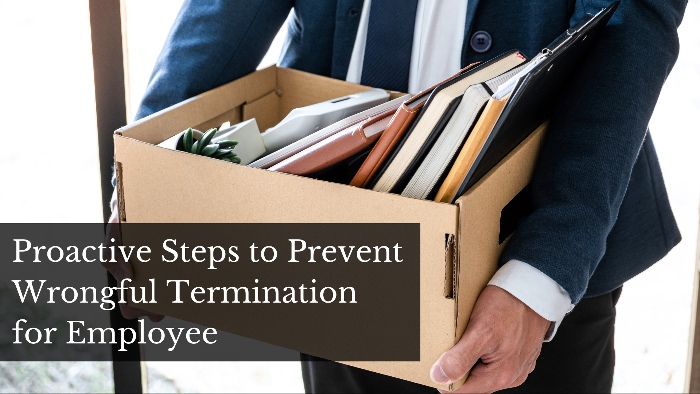

As an employee, navigating the complexities of employment laws and regulations can be a daunting task. However, understanding your rights and taking proactive steps to prevent wrongful termination is crucial for protecting your livelihood and ensuring fair treatment in the workplace.
According to the U.S. Equal Employment Opportunity Commission (EEOC), in 2020, there were 72,675 charges of employment discrimination filed, with 24,600 related to wrongful termination. This staggering statistic underscores the importance of being informed and proactive in safeguarding your rights as an employee.
Understanding the Legal Framework Surrounding Wrongful Termination
Before delving into preventive strategies, it’s crucial to understand the legal framework that governs employment practices. Federal and state employment laws, such as the Civil Rights Act, the Americans with Disabilities Act (ADA), and the Age Discrimination in Employment Act (ADEA), provide comprehensive protection for employees against wrongful termination based on factors like race, color, religion, sex, national origin, age, or disability.
Additionally, each state has its own laws regarding wrongful termination. For example, in California, the Labor Code safeguards against retaliation for activities like reporting violations or whistleblowing.
Moreover, California recognizes wrongful termination claims for actions violating public policy, such as firing for refusing illegal acts, taking medical leave, or fulfilling jury duty. Written contracts can also specify termination conditions, and certain industries like entertainment may have additional protections.
Employees who believe they have been wrongfully terminated in California may pursue legal remedies through wrongful termination lawyer Los Angeles. Familiarizing oneself with these laws is crucial for recognizing and addressing potential instances of wrongful termination.
Knowing Your Rights and Responsibilities in the Workplace
As an employee, being aware of your rights and responsibilities within the workplace is essential to protect yourself from potential wrongful termination. Understand your job description thoroughly, familiarize yourself with company policies, and know the procedures for reporting misconduct or unfair treatment.
Maintain open communication with your employer, seeking clarification on any policies or expectations that are unclear. A well-informed employee is better equipped to recognize potential violations and take appropriate action to safeguard their rights.
Regular Training and Education
Take advantage of any training and educational resources offered by your employer to stay updated on your rights and responsibilities as an employee. Attend workshops or seminars on employment laws, workplace ethics, and reporting procedures.
Seek out external resources like online courses or seminars to further enhance your knowledge and awareness. Continuous learning empowers you to identify potential issues early and take proactive steps to prevent wrongful termination.
Effective Communication and Documentation
Open communication with your employer and colleagues is crucial in addressing potential issues that could lead to wrongful termination. Voice your concerns through appropriate channels, following the established reporting procedures. Document all incidents, communications, and relevant information meticulously.
Keep records of meetings, performance reviews, and any incidents that may be relevant to your case. Clear and accurate documentation can serve as valuable evidence if legal action becomes necessary.
Understanding Disciplinary Practices
Familiarize yourself with your employer’s disciplinary policies and procedures. A fair and consistent disciplinary process should include a tiered approach, starting with verbal warnings and progressing to written warnings, suspensions, and, ultimately, termination if necessary.
Understand the grounds for disciplinary action and the steps involved in the process. If you believe the disciplinary actions taken against you are unfair or discriminatory, seek legal advice promptly to protect your rights.
Encouraging a Whistleblower-friendly Environment
If you witness illegal activities, unethical practices, or unfair treatment within your workplace, report these incidents through the appropriate channels. Whistleblower protection laws are in place in 45 U.S. states and the District of Columbia to safeguard employees from retaliation for reporting such activities.
Learn about your company’s whistleblower policies and reporting procedures, and understand your rights under state and federal laws. A whistleblower-friendly environment can help prevent wrongful termination and promote a culture of integrity and accountability. However, it’s crucial to understand the difference between legitimate disciplinary actions and illegal retaliation when reporting misconduct or engaging in protected activities.
Difference Between Disciplinary Actions and Retaliation
Employees should understand the difference between disciplinary actions and retaliation in the workplace. Disciplinary actions address behavior or performance issues through warnings, suspensions, or termination if necessary.
Retaliation, however, is illegal and occurs in response to protected activities like reporting harassment or discrimination. The key distinction is that disciplinary actions address behavior, while retaliation targets protected activities and is unjustified and illegal.
If you believe you are facing retaliation from your employer for engaging in a protected activity, it is crucial to seek legal advice and understand your rights under applicable laws. Keeping detailed records of incidents and communications can serve as valuable evidence if legal action becomes necessary.
Seeking Legal Advice
When faced with potential wrongful termination, seeking legal advice from an experienced employment law attorney is crucial.
Here’s why:
- Objective assessment of your situation and potential legal violations
- In-depth knowledge of employment laws, discrimination, and
- whistleblower protections
- Guidance on legal options like filing complaints, negotiating settlements, or lawsuits
- Representation and advocacy throughout legal processes
- Ensuring adherence to statutes of limitations and deadlines
- Protection from employer retaliation for exercising legal rights
- Pursuing appropriate remedies like reinstatement, back pay, damages
- Understanding your rights and having a knowledgeable legal advocate
FAQs on Preventing Wrongful Termination
What constitutes wrongful termination under U.S. law?
Wrongful termination refers to situations where an employee is fired for an illegal reason, such as discrimination based on protected characteristics (race, color, religion, sex, national origin, age, disability), retaliation for reporting illegal activities or exercising legal rights, or breach of an employment contract.
How can I document incidents of potential wrongful termination?
Keep detailed records of all relevant communications, meetings, performance reviews, and any other incidents that may be related to your termination. Document dates, times, individuals involved, and any specific statements or actions that raise concerns.
What should I do if I suspect I’m being set up for a wrongful termination?
If you suspect you are being targeted for wrongful termination, immediately begin documenting all incidents and communications. Consult with an employment lawyer to assess the situation and determine the best course of action, which may include filing a complaint with the appropriate authorities or pursuing legal action.
Can I be fired for reporting illegal activities or unethical practices within the company?
Under whistleblower protection laws, employers are prohibited from retaliating against employees who report illegal activities or unethical practices in good faith. However, it’s essential to follow the proper reporting channels and procedures outlined by your employer or applicable laws. Comparison Table:
Proactive Measures for Preventing Wrongful Termination
| Proactive Measure | Description | Benefits |
| Understanding Legal Framework | Familiarize yourself with employment laws |
|
| Knowing Rights and Responsibilities | Understand job description, company policies | Identify unfair treatment |
| Regular Training and Education | Attend workshops, online courses | Stay informed about legal developments |
| Effective Communication and Documentation | Voice concerns, maintain records | Provide evidence if needed |
| Understanding Disciplinary Practices | Familiarize yourself with policies | Identify unfair disciplinary actions |
| Encouraging Whistleblower Protection | Report illegal activities through proper channels | Safeguard against retaliation |
| Seeking Legal Advice | Consult an employment law attorney | Assess the situation, protect interests |
Comparison Table: Proactive Measures for Preventing Wrongful Termination
Preventing wrongful termination is not only a matter of legal compliance but also a matter of protecting your livelihood and ensuring fair treatment in the workplace. By understanding your rights, staying informed, and taking proactive measures, you can empower yourself to navigate the complexities of employment laws and regulations.
Remember, knowledge is power. Educate yourself on the legal framework, maintain open communication, and document incidents meticulously. If you suspect wrongful termination, don’t hesitate to seek legal advice and explore your options for recourse.
Ultimately, a proactive approach can help create a more transparent, ethical, and respectful workplace environment for all employees.