


Have you heard that the average American eats around 42 pounds of cheese per year?
Most people think of classics like cheddar or American cheese when they reflect on their favorites, but there are so many delectable cheeses to enjoy. The coolest part is that anyone can learn how to make their own cheese.
Are you interested in learning how to make feta cheese? Read on for this full guide on making feta cheese at home.
Feta Cheese Recipe
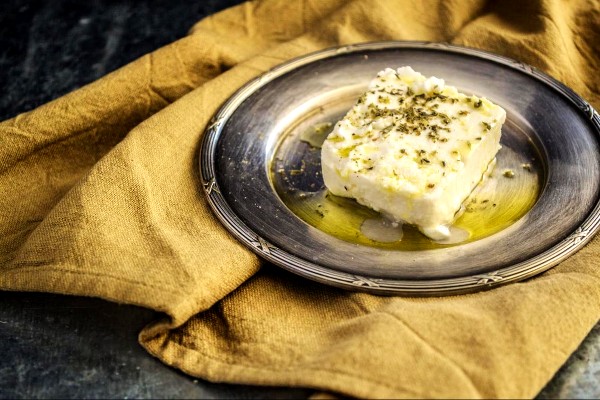
Before diving into the cheesemaking process, gather all the necessary ingredients and equipment. Here’s what you’ll need:
Ingredients:
- 1 gallon of whole cow’s milk (avoid ultra-pasteurized milk)
- 1/4 teaspoon of mesophilic culture
- 1/4 teaspoon of liquid rennet
- 1/4 cup of non-iodized salt
Equipment:
- Large stainless steel pot
- Thermometer
- Long knife or curd cutter
- Cheesecloth
- Colander
- Cheese mold (optional)
Step 1: Heating the Milk
Begin by pouring the milk into a large stainless steel pot and heating it over medium heat. Use a thermometer to monitor the temperature, heating the milk to around 86°F (30°C).
Step 2: Adding Culture and Rennet
Now it’s time to remove it from the heat. Pour the mesophilic culture on top of the milk and let it rest for a few minutes. Then, stir the culture into the milk using an up-and-down motion.
Next, dilute the liquid rennet in 1/4 cup of cool, non-chlorinated water. Pour the diluted rennet into the milk and stir it in using the same up-and-down motion for about 30 seconds.
Step 3: Allowing the Curds to Set
Cover the pot for one to two hours so the milk can sit undisturbed and curds can form. During this time, the milk will transform into a gel-like consistency, with the curds separating from the whey.
Step 4: Cutting the Curds
Once the curds have set, use a long knife or curd cutter to cut them into small cubes. Make vertical cuts about 1 inch apart, then repeat the process horizontally to create a grid-like pattern.
Step 5: Cooking the Curds
Return the pot to the stove and heat the curds gradually to 102°F (39°C), stirring gently to prevent them from matting together. Maintain this temperature for 30 to 60 minutes, stirring every once in a while.
Step 6: Draining the Curds
After cooking, allow the curds to settle to the bottom of the pot. Transfer them to a colander lined with cheesecloth, allowing the whey to drain away. Let the curds drain for about 6 to 8 hours or until they reach your desired consistency.
Step 7: Salting the Homemade Feta Cheese
Once the curds have drained, transfer them to a large bowl and sprinkle them evenly with non-iodized salt. Toss the curds to distribute the salt evenly, ensuring that each piece is seasoned.
Step 8: Pressing the Cheese (Optional)
If you prefer a firmer feta cheese, you can press the curds into a cheese mold at this stage. Place the curds in the mold and press them under a weighted object for 4 to 6 hours or until they hold their shape.
Step 9: Aging the Cheese
Now it’s time to take the cheese out of the mold and place it in a container filled with brine (a solution of water and salt). Allow the cheese to age in the brine for at least 1 week in the refrigerator or up to several months for a stronger flavor.
Cheesemaking Tips for Success
Use high-quality, fresh milk for the best results. Using ultra-pasteurized milk could cause everything to not set in a proper way. You can always use a cheese making kit to get more reliable and delicious results.
Maintain a clean and sanitized workspace to prevent contamination. Keep a close eye on the temperature throughout the cheesemaking process since this is how you get the right feta texture and flavor.
Don’t rush the draining or aging process. Patience is key to producing flavorful feta cheese with the perfect consistency.
Troubleshooting Common Beginner Cheesemaking Issues
Despite following each step, you might encounter some common issues during the cheesemaking process. Here’s how to troubleshoot them:
Curds Not Forming Properly
If your curds aren’t setting properly, double-check that you’re using fresh milk and that your rennet is still active. You may also need to adjust the temperature or increase the rennet amount a bit.
Curds Too Soft or Too Firm
Achieving the right texture for your feta cheese can be tricky. If your curds are too soft, try cooking them for a bit longer to expel more whey. If they’re too firm, reduce the cooking time a little to retain more moisture.
Cheese Tastes Bitter
Bitterness can result from over-acidification during the aging process. Ensure that you’re using the correct amount of culture and rennet, and monitor the acidity levels throughout aging. You can also try reducing the aging time for a milder flavor.
Mold Growth
It’s a bit unsettling to know that mold is a normal aspect of the aging process, but excessive mold growth can indicate improper storage conditions or contamination. Keep your cheese clean and dry, and inspect it often for any signs of mold. If necessary, scrub the surface with a brine solution to remove any mold.
Cheese Too Salty
If your feta cheese turns out too salty, try reducing the amount of salt used during salting. You can also soak the cheese in fresh water for a short period before serving to help mitigate the saltiness.
Experimenting With Flavors and Variations
Once you’ve mastered the basic feta cheese recipe, you can try different flavors and variations.
Add some fresh herbs like oregano or thyme to the brine for an extra burst of flavor. You can also mix chopped herbs directly into the cheese before pressing for a more intense herbal taste.
For a kick of heat, try incorporating diced jalapeños, red pepper flakes, or chili powder into the cheese mixture. The spicy feta pairs well with Mediterranean dishes or as a topping for tacos and nachos.
Zest some lemon or orange peel into the cheese mixture to impart a bright, citrusy flavor. This refreshing variation is perfect for summertime salads or served alongside grilled fish or chicken.
Now You Know How to Make Feta Cheese
Learning how to make feta cheese can be quite simple! Following this feta guide will turn you into an expert in no time.
Feature photo by Nadin Sh.