
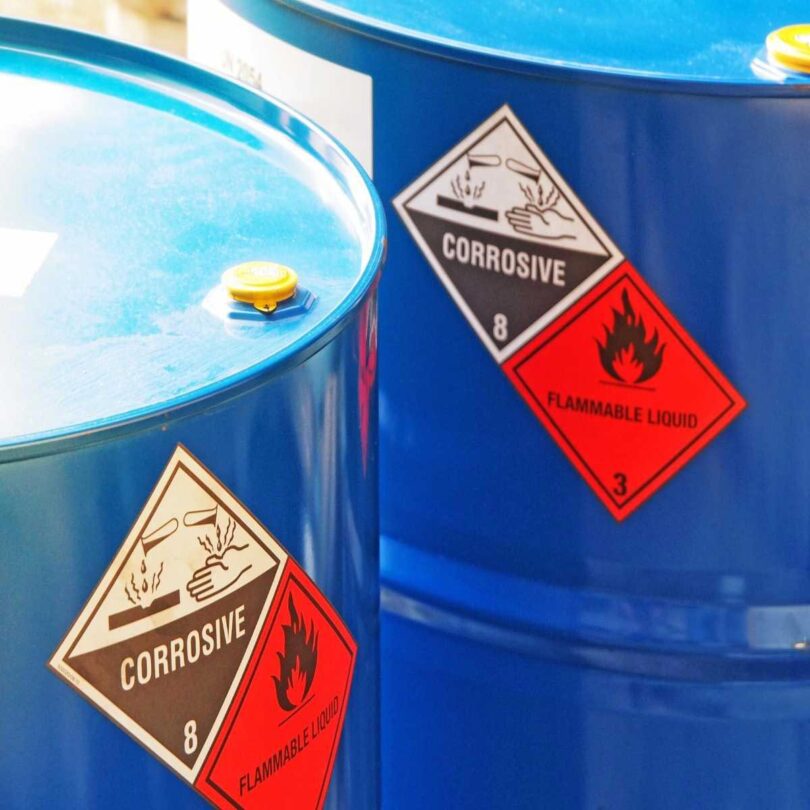

Taking care of your home or business’s waste is a health and safety-related task. It’s good to know the ins and outs of your residence while being aware of what can cause harm within your walls.
So, what are the requirements to identify risky materials in your space and throw them away efficiently? Here’s how to safely identify different hazardous waste you can find in your residence.
What Is Hazardous Waste?
To know how to safely identify different hazardous waste, you must first understand what hazardous waste is. Simply put, hazardous waste is waste with properties that make it dangerous and capable of harming your health or the environment.
Hazardous wastes come in solids, liquids, and gases. So, knowing how to identify the kinds of waste is vital for proper disposal.
Types of Materials
Knowing the types of materials that fit into the different categories for waste disposal is optimal for maximum safety and risk prevention. It’s good to recognize the range between proper disposal of radioactive waste compared to combustible items.
Flammable Materials
Flammable materials are straightforward to identify. They are substances that can ignite and burn quickly, like gasoline, propane tanks, oxidizers, and liquids that can cause flames of less than 140 degrees Fahrenheit.
Reactive Materials
Reactive materials differ from flammable ones because they deal with tampering with condensed pressure. Items like aerosol cans can be unstable and prone to possible explosions, especially when paired with improper temperature regulation and a pressurized environment.
Corrosive Materials
Corrosive materials are associated with the degeneration of metal. This category can relate to different materials, such as industrial-strength cleaner and drain cleaners that contain strong acids. Hyaluronic acid and sulfuric acid are the usual ingredients that can cause corrosion.
Toxic Materials
Toxic materials tend to be the most intimidating of hazardous wastes. They can be seriously harmful or deadly upon contact, inhalation, or even consumption. Paints, antifreeze, motor oil, weed killers, and radioactive waste are all considered toxic materials.
Safety Disposal Procedures
There can be severe consequences if you don’t take the proper procedures to dispose of hazardous materials. Substances can end up in landfills or recycling facilities if you aren’t careful. Depending on what you need to dispose of, there are multiple ways to go about the process.
Disposal requirements can be as easy as following the package’s disposal instructions or as complicated as burying the item in designated zones. So, be sure to do your research for what steps to take and follow FDA guidelines to prevent any accidental contact or unwanted exposure.