


Over the summer, administrators will strategize about how to prevent COVID-19 from spreading in the classroom. But other dangers to students can’t take a backseat. You can be proactive by considering some of the other ways your school district can increase safety.
Use Trauma-Informed Techniques
A shocking number of students have suffered adverse childhood experiences, including abuse, violence, home instability, and more. These patterns can repeat themselves at school when children don’t know how to react to stress. Many schools are now implementing trauma-informed educational techniques. You can adapt some of the approaches of this social and emotional learning curriculum, including:
One-on-One Check-Ins
At-risk students have a hard time building trust with adults, but consistency and predictability can go a long way toward keeping volatility out of the classroom. Students can work with a teacher to set goals at the beginning of each day and assess how they’ve done afterward with predictable, positive attention.
Leadership Classes
Abused children get bullied at home. In turn, they might bully others at school. But by giving kids instruction in leadership and empowering them to run activities, students learn to advocate for themselves. They get back a measure of control in constructive ways.
Adapted Physical Spaces
A student’s environment can impact how they learn, so small changes can produce a big effect. A few possibilities include:
- Lower, less fluorescent lighting
- Calming wall colors
- Essential oil diffusers
- Peace corners where kids can go for self-care
Better Equip Buses
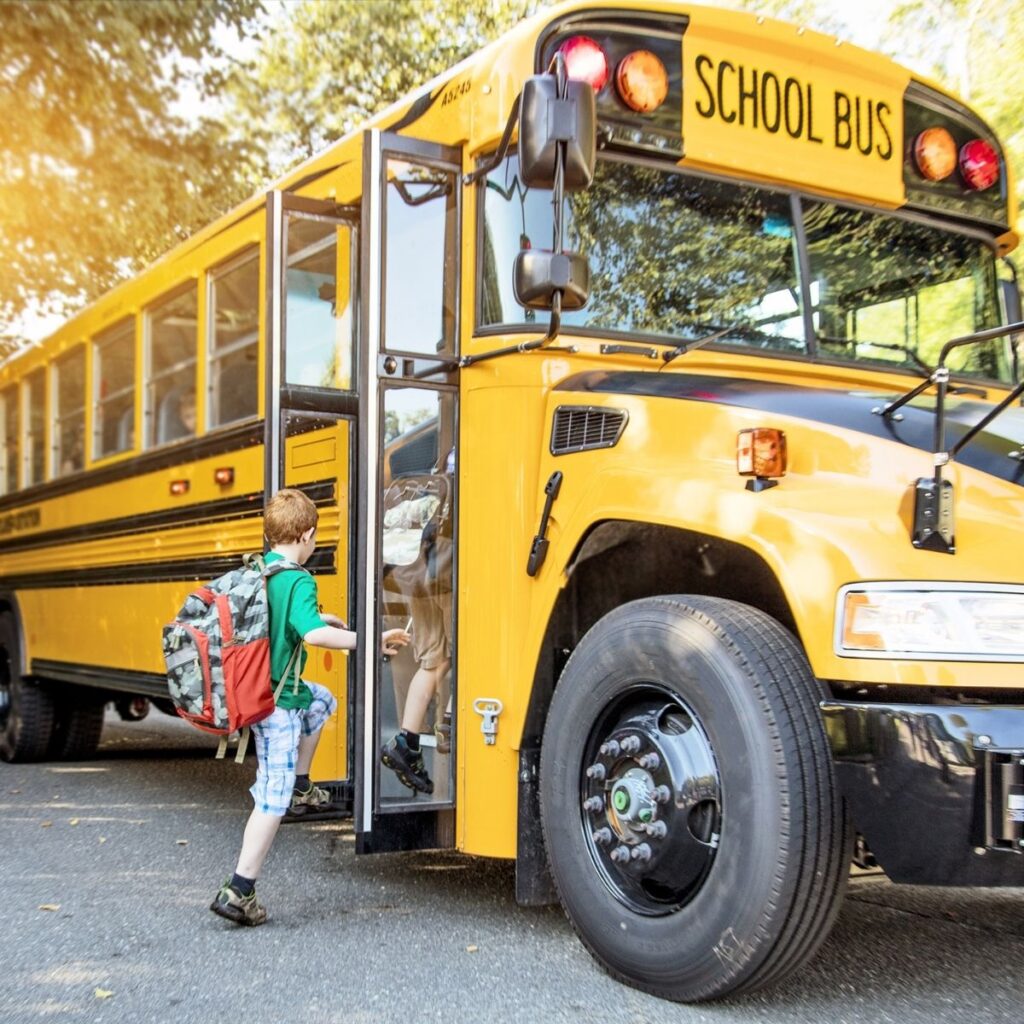
Don’t forget to address some of the ways your school district can increase safety on the way to school. Buses are the safest vehicles on the road, but vigilance is essential. There are all kinds of ways to customize your school bus fleet with new technologies. Popular features include:
- Wi-fi connectivity. When the whole bus is a hotspot, kids can access the internet for extra homework time.
- GPS systems. Fleet supervisors can get alerts when buses stray from their approved routes. With apps, parents can track their kids’ locations during their school commutes.
- Air purifiers. Buses may be enclosed, but you can regulate their air quality with HEPA filters that weed out airborne pathogens.
- Video cameras. A driver can’t operate and see everything that goes on aboard the bus. Better quality cameras can monitor and record any bad behavior. Drivers get recorded, too.
Assess Student Threats
With so many school shootings on the news, parents feel helpless. But early intervention can make a difference when it comes to potential student offenders. Faculty, guidance counselors, and administrators can watch out for students in crisis with standardized training. This includes evidence-based assessment programs that don’t involve discipline or the criminal justice system. These teams can get students the help they need so they don’t resort to violence—or harm themselves. A well-rounded program ensures there’s no bias against students of color or students with disabilities. Schools must have access to mental health services so interventions can lead to positive—not punitive—outcomes.