


Vehicles that guzzle fuel can have an adverse impact on your wallet and the environment. The automotive industry, specifically Jeep manufacturers, have made great strides toward Jeep models that are greener, but many energy-ineffective vehicles are on the roads today. Whether you are financially or environmentally driven, read below to learn how to boost your Jeep’s energy efficiency.
Replace the Air Filters
Replacing your Jeep’s air filters is good for your car’s health. Your car processes a lot of air to ensure proper engine cooling and performance. Jeeps with clogged air filters run the risk of damaging their engine, as the car must work harder to function properly.
As a good rule of thumb, change your vehicle’s air filters every ten thousand miles. If driving through an area with lots of air contaminants, be sure to have your filters checked for maintenance or replacement. Frequent air filter replacements will save you from costly engine repairs in the future and improve your ride’s longevity.
Change the Fluids
Check to see that you are filling your vehicle with energy-efficient fluids. Implementing high-quality coolant, transmission, brake, and other fluids for your Jeep can improve its mileage and performance.
By opting for the pricier fluids recommended by the manufacturer, you can increase your ride’s durability and decrease run-ins with maintenance issues associated with high mileage.
Upgrade the Lighting
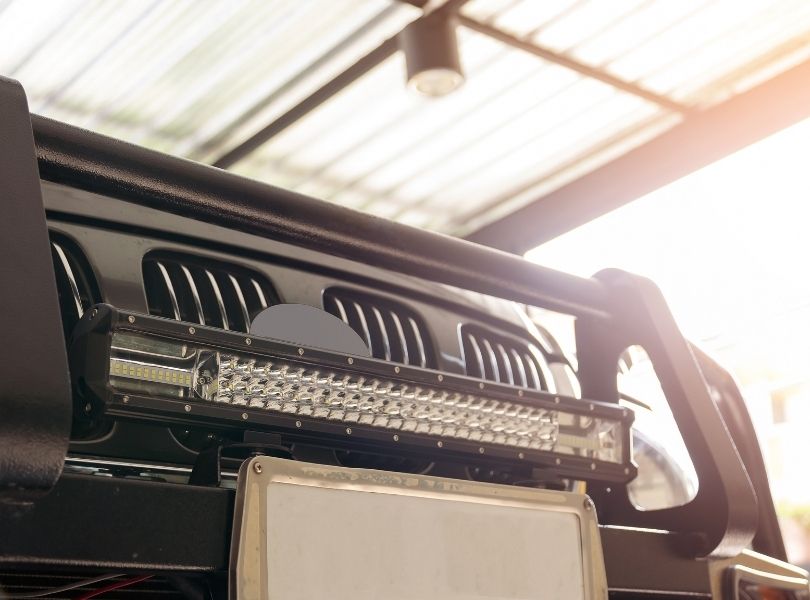
Most vehicles’ default stock factory lights are not sustainable. One of the perks to upgrading your lights to LED is that they are much more energy-efficient than standard lights. Highly luminous, LED lights will improve driver visibility and last longer than the average Jeep lighting supplied by manufacturers.
Enhance Your Habits
When understanding how to boost your Jeep’s energy efficiency, it may come as a surprise that the way you drive heavily influences your car’s fuel consumption.
Be mindful when braking, as braking absorbs a third of the engine’s energy. One way to decrease the amount of braking done while driving is to increase the distance between your car and the car ahead of you. Not only will this practice reduce energy consumption from braking, but it will also increase your safety on the road.
Keep Engines Tuned
The engine is the heart of the vehicle, in that, nearly every vehicle function relies on its maintenance and performance. Schedule routine tune-ups for your Jeep’s engine after every 25000 miles or as recommended in the vehicle manual. Mindful engine maintenance is imperative to any vehicle’s fuel efficiency.