

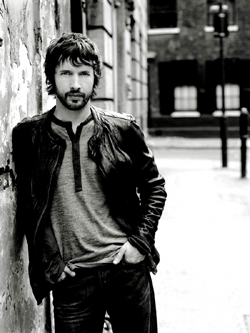

The affable and talented Brit James Blunt released his sophomore effort, "All the Lost Souls," on Custard/Atlantic records. In nearly three years since Blunt released his debut album, "Back to Bedlam," it has sold 11 million copies worldwide, going No.1 in 18 countries and Top 10 in 35. A short list of his accomplishments includes being nominated for five Grammy awards landing the first No. 1 single in the U.S. ("You’re Beautiful") by a British act since Elton John’s "Candle in the Wind" 1997 and winning two MTV awards.
This time around on "All the Lost Souls" Blunt explores the trials and tribulations of complicated relationships, his own mortality and reckoning with rapid fame. Blunt knows his fans are eager to hear his songs about the ups and downs of his journey and he claims, "Just because I’ve been given the fickle title of celebrity it doesn’t mean I’m any less human. I go through the same things only now my mother hears about them first," he says, laughingly referencing his frequent appearances in the tabloids.
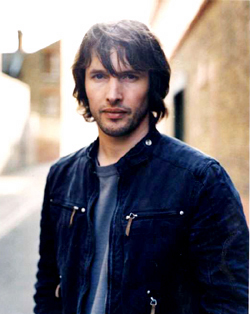

The album opens with his latest single, "1973" a sentimental and nostalgic look back at sharing great times with friends knowing now that they are older and wiser. Songs such as "One of the Brightest Stars" and "Annie" deal with the ups and downs of fame and the distortions that fame can bring. "Carry You Home" and "I’ll Take Everything" tackle our fragile mortality and trouble finding comfort, while "I Really Want You," and "Same Mistake" showcase Blunt at his most vulnerable.
Musically, Blunt draws much of his inspiration from great artists of the ’70s: "Fleetwood Mac, Don McLean, Elton John and maybe a touch of Steely Dan and if I’m lucky, a bit of Bowie (as is evident in the song, "Annie")."
Blunt finds the freedom to write what he can’t speak about. "My music is autobiographical. It’s my expression and it’s for me," he says. "It’s a necessary expression; otherwise I’d just be this Brit that has a shell."
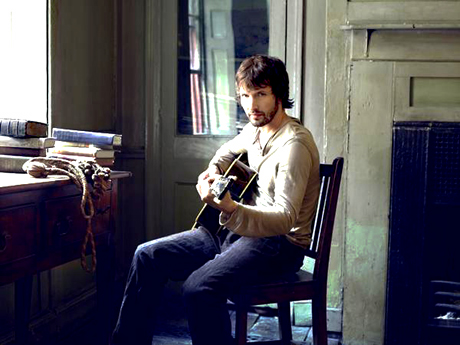

On the album’s closer, "I Can’t Hear the Music" he sings with a quiet resolve that even after the fans applause has faded and the curtain has come down for the last time, the music remains. For Blunt, it’s a song of hope and an ultimate reminder of why he’s here. "The chorus sums it up; ‘And if I can’t hear the music and the audience is gone/I’ll dance on my own,’ It’s about saying I’m in it for the passion," he says. "I’m in it for the love of it and the audience may be a temporary thing."